Jan 8
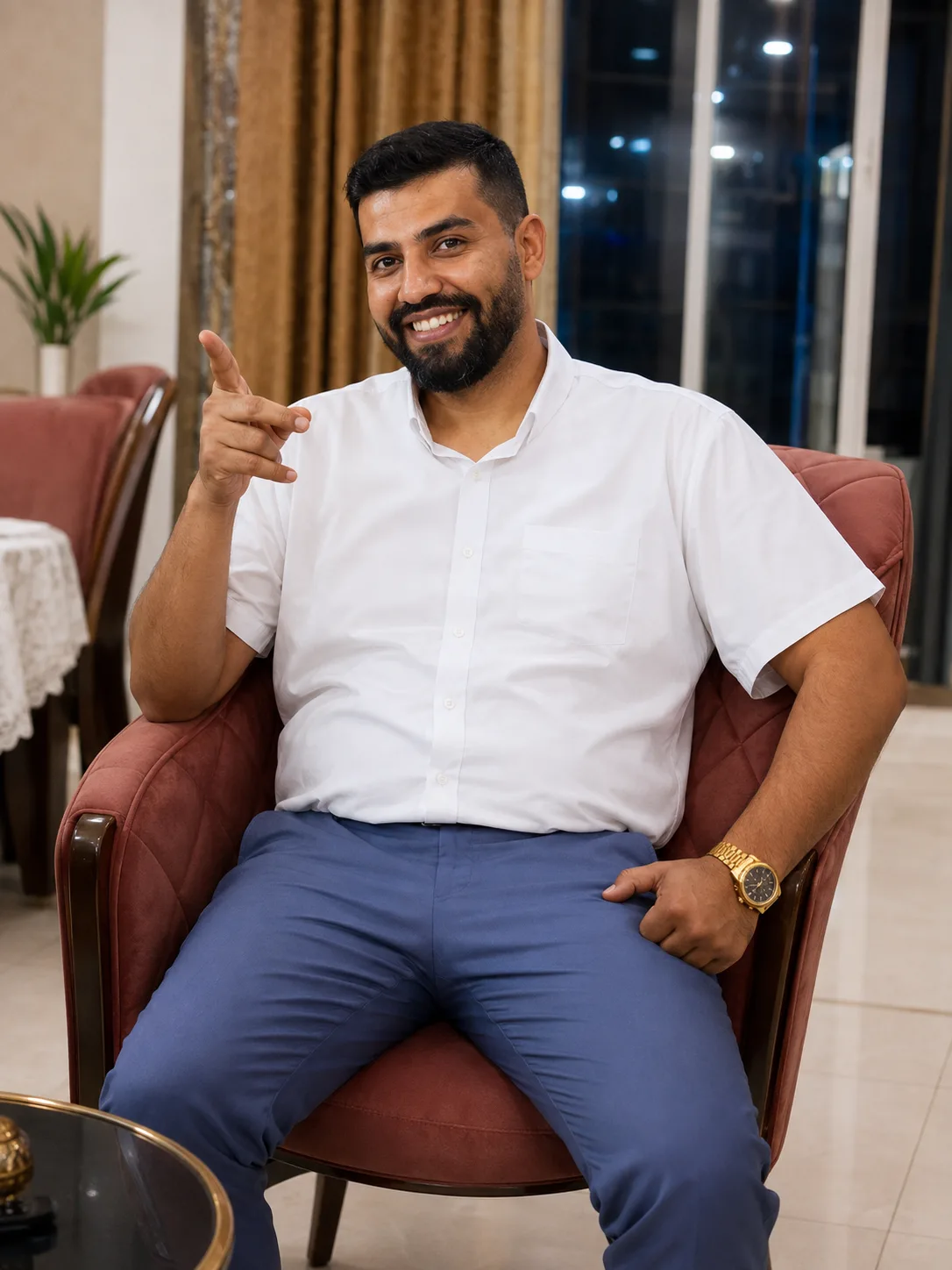
Meysam Lalidehdeghi
Unknown
- Age
- 33
- City
- Dehagh
- Date
- 2026-01-09
- All statuses
- Family report
Incident summary
Meysam and I were standing on the other side of the street, almost directly across from the Basij base. There were about four or five meters between us. He was standing almost directly in front of me, near the boulevard. People rushed toward the entrance, trying to get inside. Suddenly, they opened fire. Everyone ran. Meysam did not move from where he was. He did not run. I saw that he was the only one still standing there, and then, in an instant, the space around him was empty. He dropped to his knees, and moments later I saw him fall face-first onto the ground. I ran to him, turned him over, and saw blood on his side. I lifted his shirt and realized he was bleeding. I whispered in his ear, "Meysam, my brother, don't be afraid. I'm here with you. Just breathe slowly." With the help of a few others, we carried him across the street. Someone handed me a scarf, and I tied it tightly around his wound. Then someone shouted, "Bring him over and put him in this car!" We placed Meysam in the vehicle and rushed him to the emergency clinic. The doctor examined him and ordered that he be transferred immediately to Goldis Hospital in Shahin Shahr. During the ambulance ride, I pressed both sides of his body with my hands to try to stop the bleeding. I massaged his legs and kissed him, trying to keep him alive. When I looked at his arm, I realized the bullet had entered through his right forearm, passed into his side, and exited through the other side of his body. Meysam died at the emergency clinic in Dehagh. We then took his body to Goldis Hospital. According to the authorities themselves, at around 4:30 a.m., intelligence agents removed all of the bodies. A week later, they finally returned Meysam's body to us, but only under strict conditions: his grave had to be at least one kilometer away from the martyrs' section of the cemetery, no more than twenty people could attend the burial, otherwise they would take his body away again. We were not allowed to hold a funeral at a mosque or any public ceremony. We were only permitted to mourn inside our home. They told us that if we obeyed their conditions, they would allow us to hold a memorial on the fortieth day. Otherwise, even that ceremony would not be permitted.
Memorial narrative
Always live in such a way that when your body is laid to rest, your name will live on.